
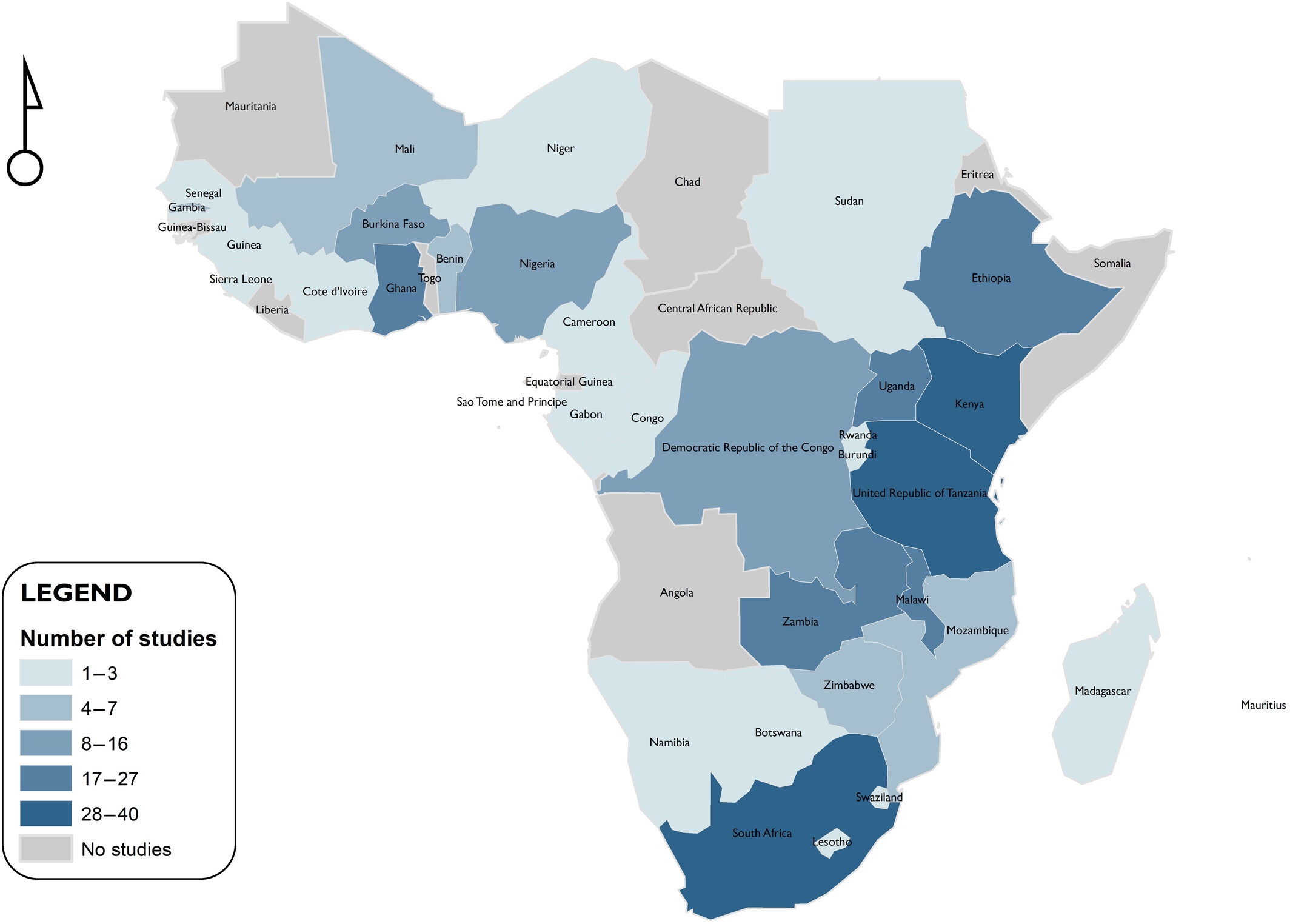
This systematic mapping review examines longitudinal maternal health studies conducted in sub-Saharan Africa between 2012 and 2022. Published in the International Journal of Gynecology & Obstetrics, the review identified 213 eligible studies across 534 publications from 33 countries.
Most studies were conducted in eastern and southern Africa, with South Africa and Kenya contributing the most publications. No eligible studies were identified in 15 countries. The most common research topics were HIV, nutrition and malaria, while fewer studies focused on hypertensive disorders of pregnancy, antepartum and postpartum haemorrhage, and sexually transmitted infections, despite these being major causes of maternal illness and death in the region.
The findings highlight the need for more robust longitudinal research on understudied maternal health conditions and for stronger research capacity across countries that remain underrepresented. For HE²AT, the review is important because it helps identify where large longitudinal maternal health studies already exist and provides a foundation for future research linking maternal and child health data with climate and environmental information.
Read more:
Solarin, I., Dumbura, C., Lakhoo, D. P., et al. (2025). Characteristics of longitudinal maternal health studies in sub-Saharan Africa: A systematic mapping of literature between 2012 and 2022. International Journal of Gynecology & Obstetrics, 169(1), 51–62.