Our Research
Research Project 1 (RP1): Heat & Health Surveillance
Understanding the Impacts of Heat on Mothers and Children
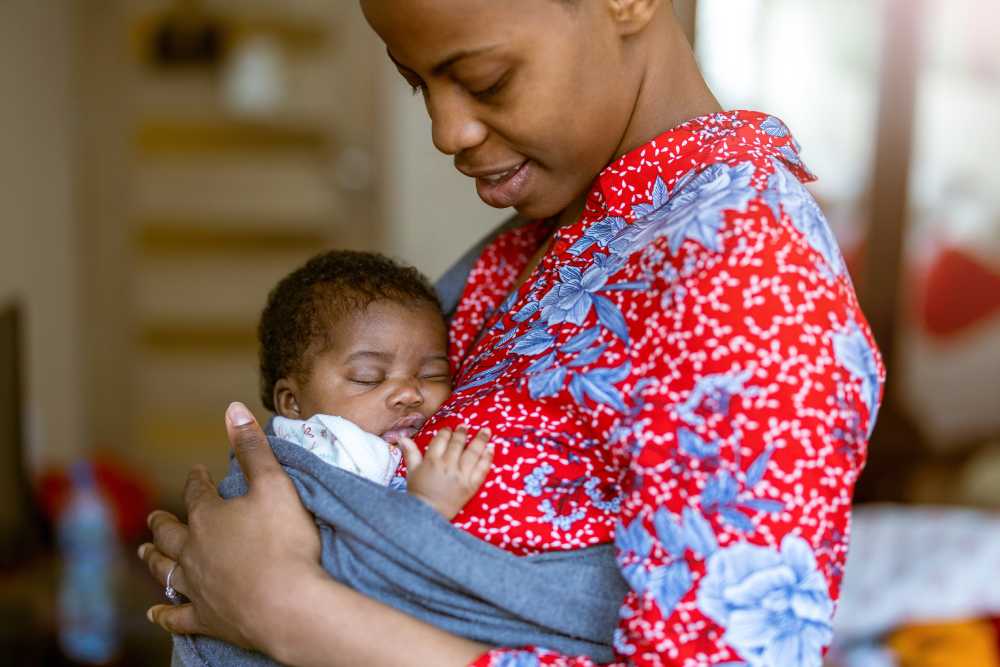
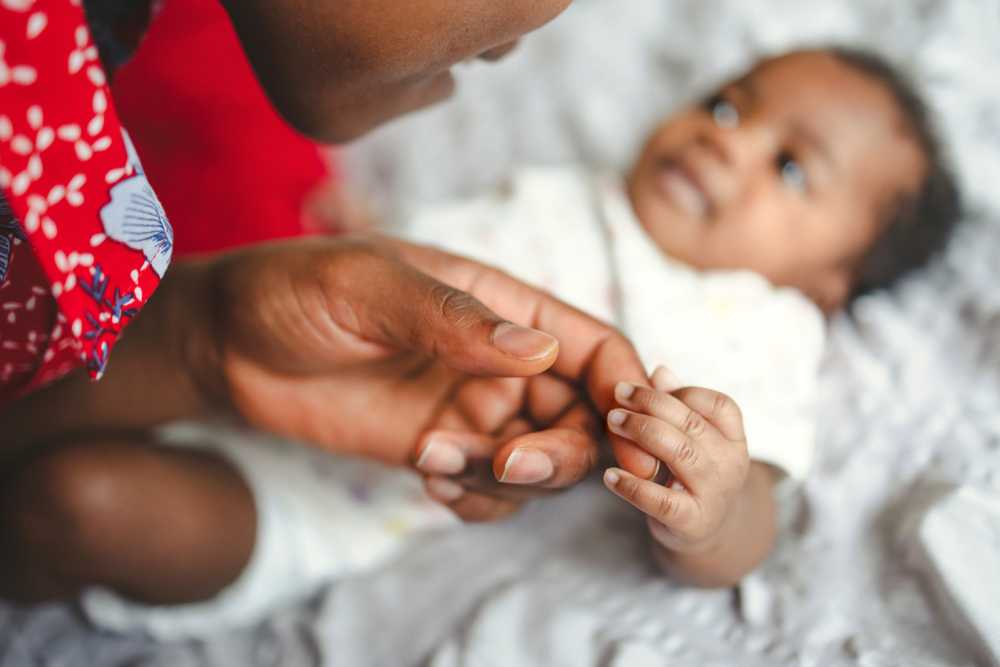
Extreme weather events are making extreme heat more common, and its effects on health are often underestimated. Research Project 1 aims to understand how rising temperatures affect the health of mothers and young children in Africa. By analysing existing health and climate data, this project will track and quantify the link between heat exposure and various health conditions in these vulnerable populations.
Data Analysis Approach
We use Individual Participant Data (IPD) meta-analysis to combine datasets from multiple studies, offering a richer, more comprehensive view. This approach enhances our ability to detect meaningful patterns and trends across diverse contexts and populations.
How It Works
Finding the Data
We search for studies across Africa that have collected relevant health and climate data on mothers and children.
Combining the Data
We harmonise datasets into a common format, making them easier to analyse.
Data Analysis
Using traditional statistics and machine-learning techniques, we explore connections between heat exposure and health outcomes in mothers and newborns.
Why This Matters
This research aims to provide strong evidence on how high temperatures affect maternal and child health in Africa. The findings will help quantify the burden of rising temperatures on these vulnerable groups and guide efforts to protect them as the climate continues to change.

Research Project 2 (RP2): Urban Vulnerability & Heat Mapping
Mapping the Impact of Heat in African Cities
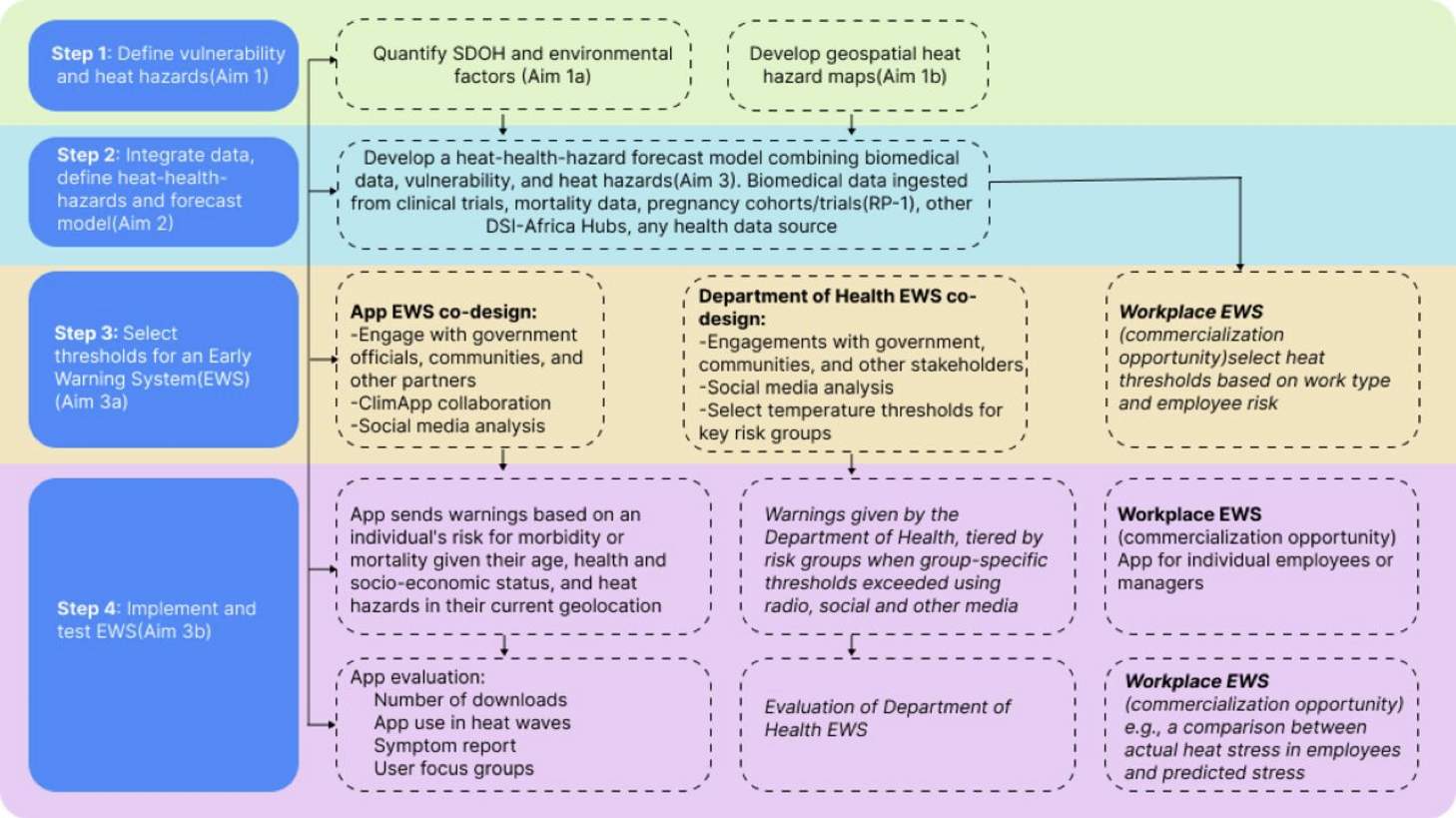
Focusing on cities like Abidjan, Ivory Coast, and Johannesburg, South Africa, this project examines how urban living conditions amplify the effects of rising temperatures on public health. Through the development of exposure and vulnerability maps, we identify areas most at risk, supporting the creation of Early Warning Systems to protect vulnerable urban communities across Africa.
Approach to Urban Heat and Health
This project integrates temperature data with social, economic, and environmental information to better understand how factors such as location, healthcare access, and living conditions shape heat-related health risks. This data-driven approach allows us to uncover meaningful patterns that guide targeted public health responses.
How It Works
Finding the Data
We gather data on temperature, population density, living conditions, and healthcare access from Abidjan and Johannesburg.
Combining the Data
We harmonise the data into a common format, allowing us to develop maps that highlight areas most vulnerable to heat-related illnesses.
Data AnalysisÂ
Using traditional statistics and machine-learning techniques, we analyse the data to inform early warning systems that help predict heatwaves and protect at-risk communities.
Why This Matters
High temperatures in urban areas can lead to serious health problems, including increased hospital visits and even deaths. By understanding the factors that make certain areas and groups more vulnerable to heat, this project will help cities like Abidjan and Johannesburg develop targeted strategies to reduce the risks. This research aims to create a safer urban environment and guide public health responses that are tailored to the unique challenges faced by African cities.