
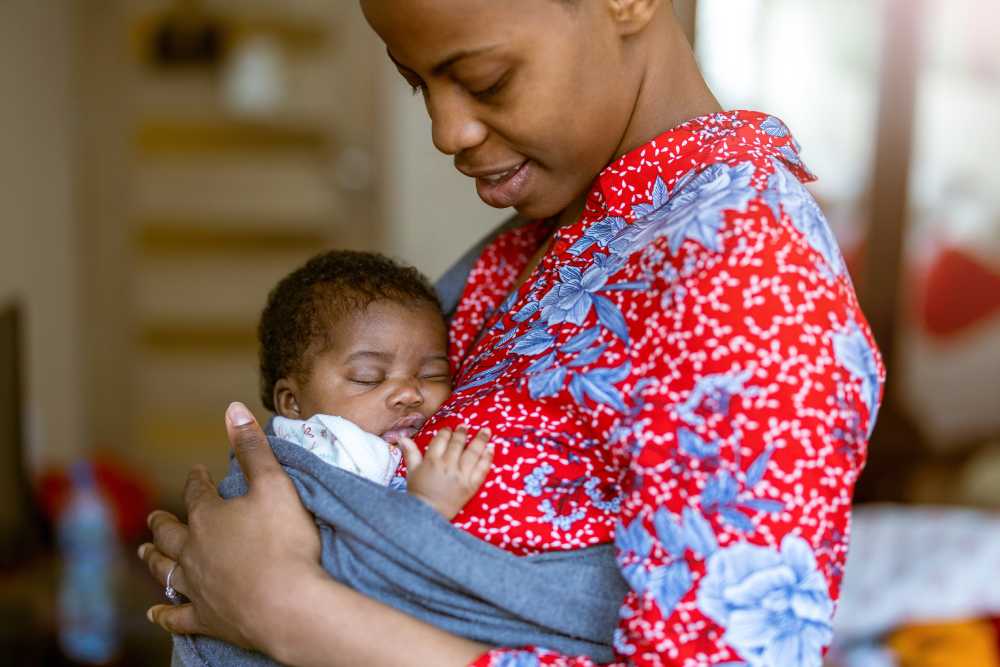
In sub-Saharan Africa, where temperatures are rising due to climate change, the HE²AT Center is studying the health impacts of increased heat on pregnant women and children. This initiative is outlined in their recently published study, “Protocol of an Individual Participant Data Meta-Analysis to Quantify the Impact of High Ambient Temperatures on Maternal and Child Health in Africa” (Lakhoo et al., 2024).
This region faces unique challenges due to its climate, making it crucial to understand how heat affects vulnerable groups such as pregnant women and children. Historically, there has been a lack of specific data that addresses these groups’ unique needs in the face of rising temperatures.
The Study Approach
This study utilizes a method called individual participant data meta-analysis (IPD-MA), which allows for a more detailed analysis by using data from existing studies. This method integrates health data with environmental and socioeconomic information to provide a comprehensive view of how heat impacts health outcomes.
Initial Findings
The research has shed some light on the significant risks that heat poses to maternal and child health. For example, it has been found that heat exposure can increase the likelihood of adverse pregnancy outcomes such as preterm birth and low birth weight. This is particularly concerning in regions where healthcare resources are already stretched thin.
Implications for Public Health
The findings from this study are crucial for developing strategies to protect these vulnerable populations. By understanding the specific health risks posed by heat, health systems can better prepare and respond to the needs of their communities. Additionally, the study’s results can help inform public health policies and heat warning systems that specifically address the needs of pregnant women and children.
Continued Research and Outreach
As the team continues to analyze the collected data, they plan to share their findings through academic publications and conferences. They also aim to engage with policymakers to ensure that the insights gained can lead to practical changes in public health strategies.
For a deeper dive:
Read the original scientific publication here and the corresponding protocols paper here.
This research highlights the Center’s commitment to addressing critical global health challenges through innovative research methods. By focusing on specific vulnerable populations and utilizing comprehensive data analysis, they aim to mitigate the adverse effects of climate change on health in Africa.