
Author: Alice McClure
Training and Engagement Core (TEC) Coordinator, HE²AT Center
Researcher, Climate System Analysis Group (CSAG), University of Cape Town, South Africa
As the Training and Engagement Core (TEC) Coordinator at HE²AT, I work with a team that supports capacity development and engagement activities across project locations and scales. TEC’s role includes designing creative engagements, facilitating learning and training across the consortium, and supporting the communication and dissemination of HE²AT’s work. Through this collaboration, I work with colleagues from diverse institutions and backgrounds, all of whom share a common goal of advancing climate and health research in Africa.
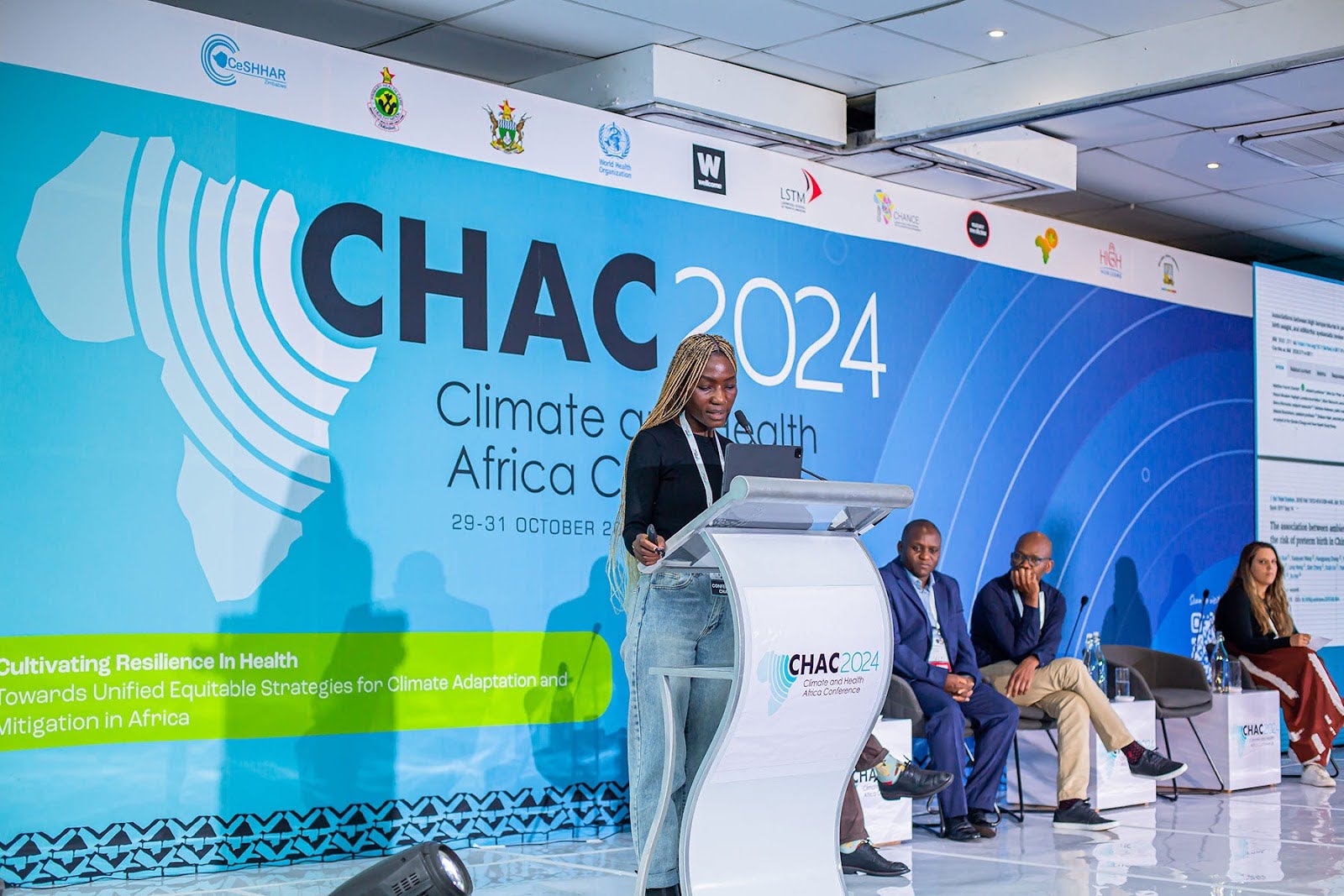
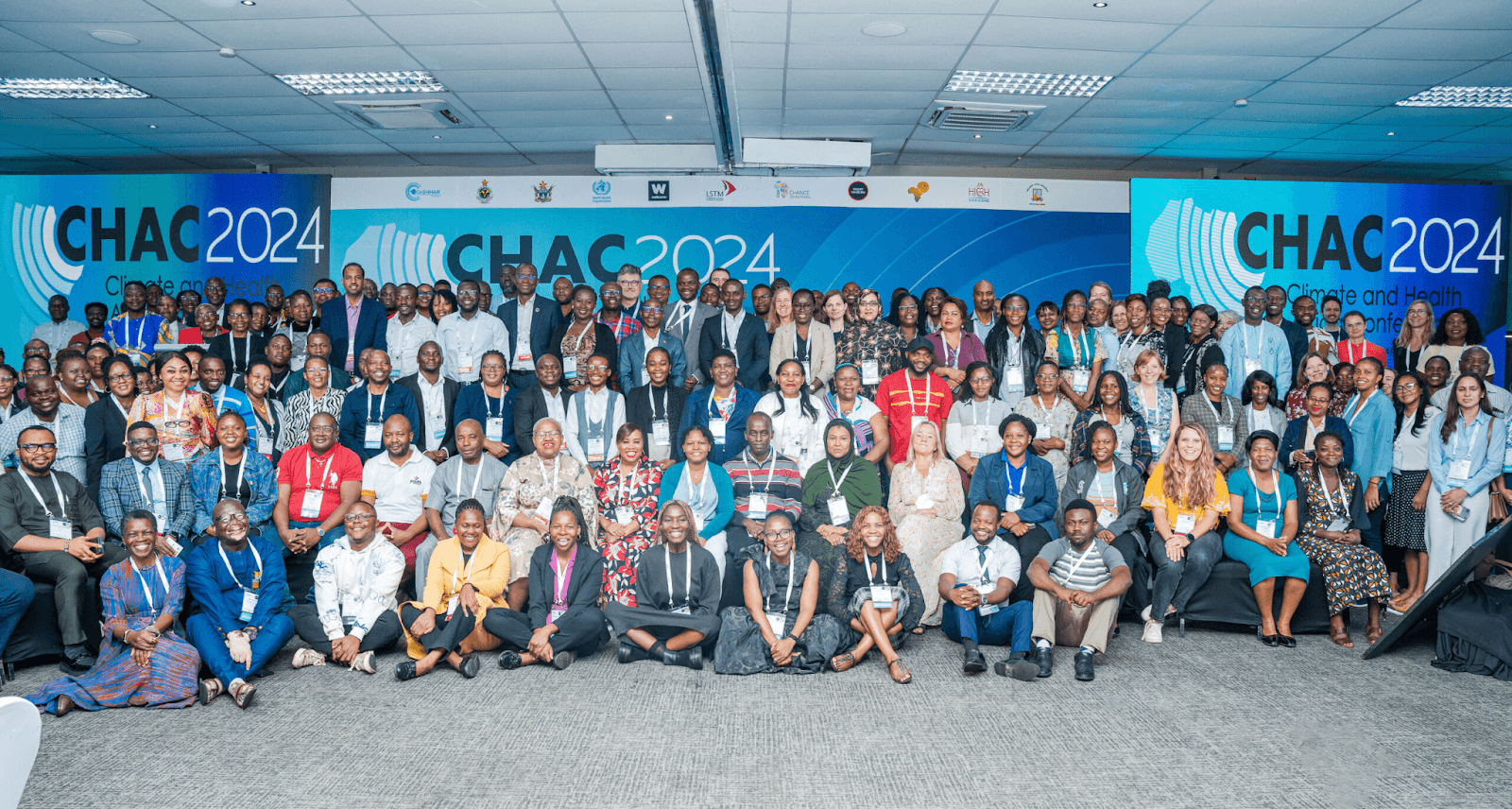
This collaborative approach was central to HE²AT’s involvement in the Climate and Health in Africa Conference (CHAC), held in Harare, Zimbabwe, in 2024. As the first conference of its kind in Africa, CHAC marked a significant step toward continent-wide action on climate and health. The event highlighted HE²AT’s contributions, with its members playing a prominent role in shaping discussions and outcomes. Importantly, CHAC demonstrated political will at a scale not previously seen on this topic, uniting leaders, researchers, and policymakers to address the urgent health impacts of climate change and build a collective vision for climate-resilient health systems.
The Challenge
Although interest in the links between climate and health has been steadily growing, prior to CHAC, there wasn no clear demonstration of strong political will to address these challenges collectively. Health and climate research and practices often operate in parallel, with few platforms for integrated approaches.
Africa’s health systems are increasingly burdened by climate-related impacts, including rising heat-related illnesses, vector-borne diseases, and waterborne outbreaks linked to changes in the availability of resources (e.g. water) and extreme weather. Yet, these issues have frequently been underrepresented in policy and planning. CHAC was designed to address this gap by bringing together the right mix of scientific evidence, policy expertise, and community perspectives to drive action.


HE²AT’s Role
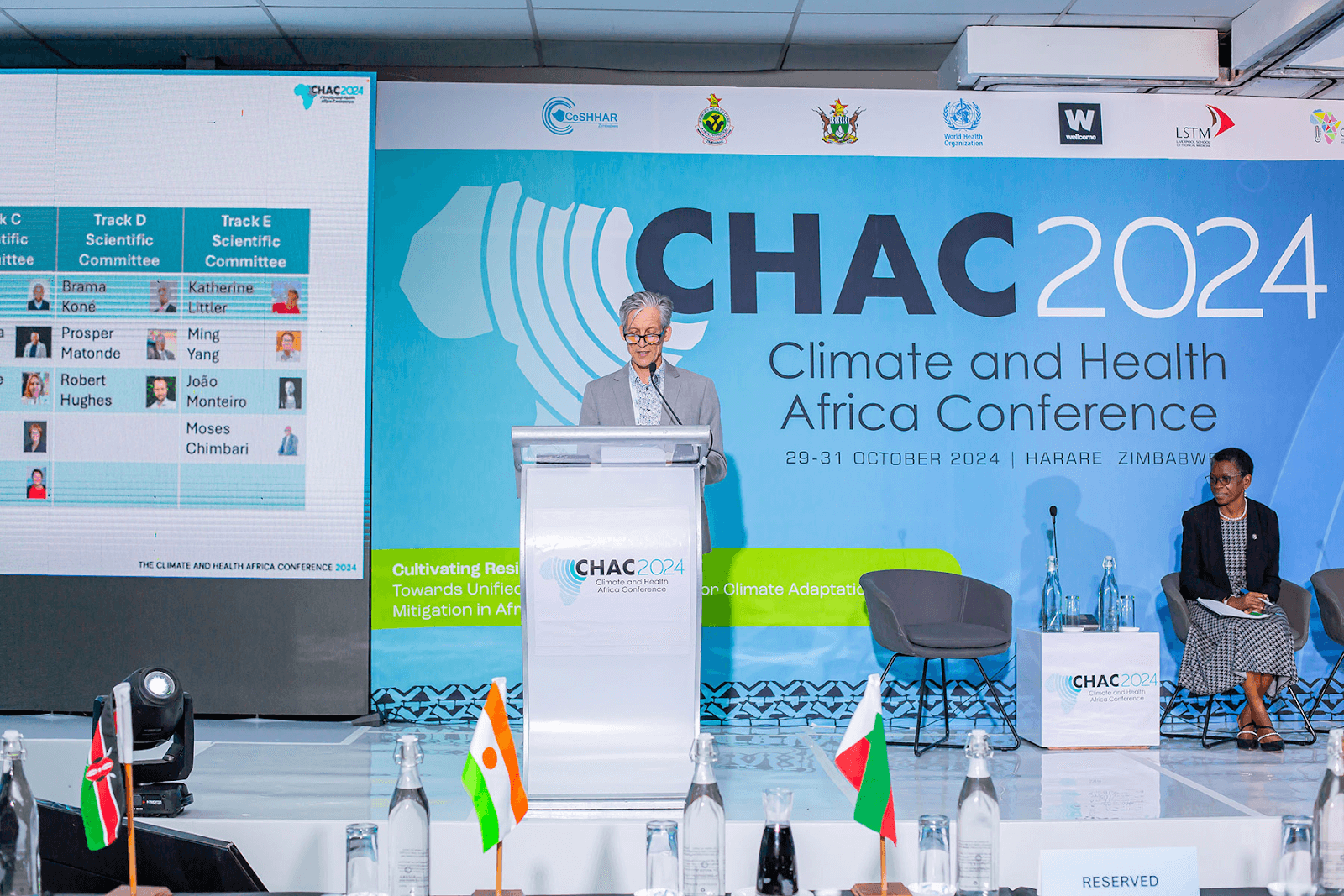
The Centre for Sexual Health and HIV AIDS Research (CeSHHAR) Zimbabwe hosted CHAC, with two HE²AT members, Dr. Fortunate Machingura and Professor Stanley Luchters, serving as Chairperson and Co-Chairperson of the event. Their leadership ensured that the conference not only showcased cutting-edge science but also created pathways for collaboration between policymakers, researchers, and practitioners.
Fortunate Machingura, Stanley Luchters, Christopher Jack, Tatenda Makanga, Matthew Chersich, Guéladio Cissé and Brama Kone, all affiliated with [the HE²AT Center organisations, served on the various scientific committees, which supported the organisation of the conference.Â
In addition, Professor Guéladio Cissé, Professor Matthew Chersich, and Dr. Nicholas Brink, all members of HE²AT, were part of the Writing Committee that authored the Harare Declaration on Climate and Health, the landmark outcome of the conference. This declaration calls for immediate, coordinated action to address climate-driven health risks across Africa.
HE²AT’s presence at CHAC was extensive. Over 14 HE²AT members delivered oral presentations or participated in keynote and plenary sessions, while more than 20 posters showcased research from across the Center. The team also ran an exhibition stand to communicate HE²AT’s mission and achievements to a wide audience.
Two HE²AT-organized satellite sessions further demonstrated the collaborative spirit of our network:
- Vulnerability and Hazard Mapping: Led by Wits Planetary Health Research (Wits PHR), this session explored urban vulnerability, socioeconomic factors, weather modeling, and urban heat islands. A panel discussion focused on how integrated data can inform resilience planning in African cities.
- ECR Capacity Development: Led by the Climate System Analysis Group (CSAG) as part of TEC activities, this session provided early career researchers with hands-on training on accessing and working with climate data. By focusing on practical skills and real-world applications, it helped strengthen the next generation of African climate-health researchers.
Key outcomes
A defining achievement of CHAC was the Harare Declaration on Climate and Health, endorsed by delegates from 51 countries, including 34 African nations. The declaration lays out four strategic priorities:
- Strengthening research and knowledge generation.
- Enhancing surveillance and early warning systems.
- Building climate-resilient health systems.
- Promoting inclusive dialogue among stakeholders.
Speaking at the opening of the conference, President Emmerson Mnangagwa of Zimbabwe underscored the urgency of these commitments, stating:
 “Climate change is not merely an environmental disaster. It is a public health emergency, and I firmly believe the recommendations from this conference will pave the way for a healthier and more sustainable continent, where no one and no place is left behind.”
HE²AT’s contributions to CHAC-both through its leadership roles and the sharing of research-highlighted how technical expertise, stakeholder engagement, and collaborative data science can help build climate-resilient health systems.
Looking Ahead
CHAC 2024 has set a precedent for future gatherings that unite the climate and health community across Africa. The Harare Declaration provides a shared roadmap for governments, researchers, and civil society to collaborate on addressing these urgent issues.
For HE²AT, the experience reinforced the value of collaboration. Whether through research presentations, capacity-building sessions, or the leadership of members such as Fortunate Machingura and Stanley Luchters, HE²AT demonstrated its ability to make meaningful contributions to both science and policy.
From a Training and Engagement Core perspective, CHAC emphasised the importance of collective efforts in creating momentum for change. It showcased not only the technical capabilities of the HE²AT Center, but also its commitment to engaging with broader audiences, from early career researchers to policymakers. CeSHHAR and HE²AT members will be remembered for their critical role in driving this conference and shaping the Harare Declaration, which will guide Africa’s response to climate-health challenges for years to come.