
Author: Darshnika Lakhoo
Research Clinician, Wits Planetary Health Research Division | HE²AT Center Researcher, Research Project 1: Heat & Health Surveillance
Why Heat and Health in Pregnancy Matters
Pregnancy places significant strain on the body, but rising global temperatures are adding new and serious risks. For many expectant mothers, particularly in regions where extreme heat is becoming more common, the combination of biological changes during pregnancy and environmental stress can lead to complications for both mother and baby.
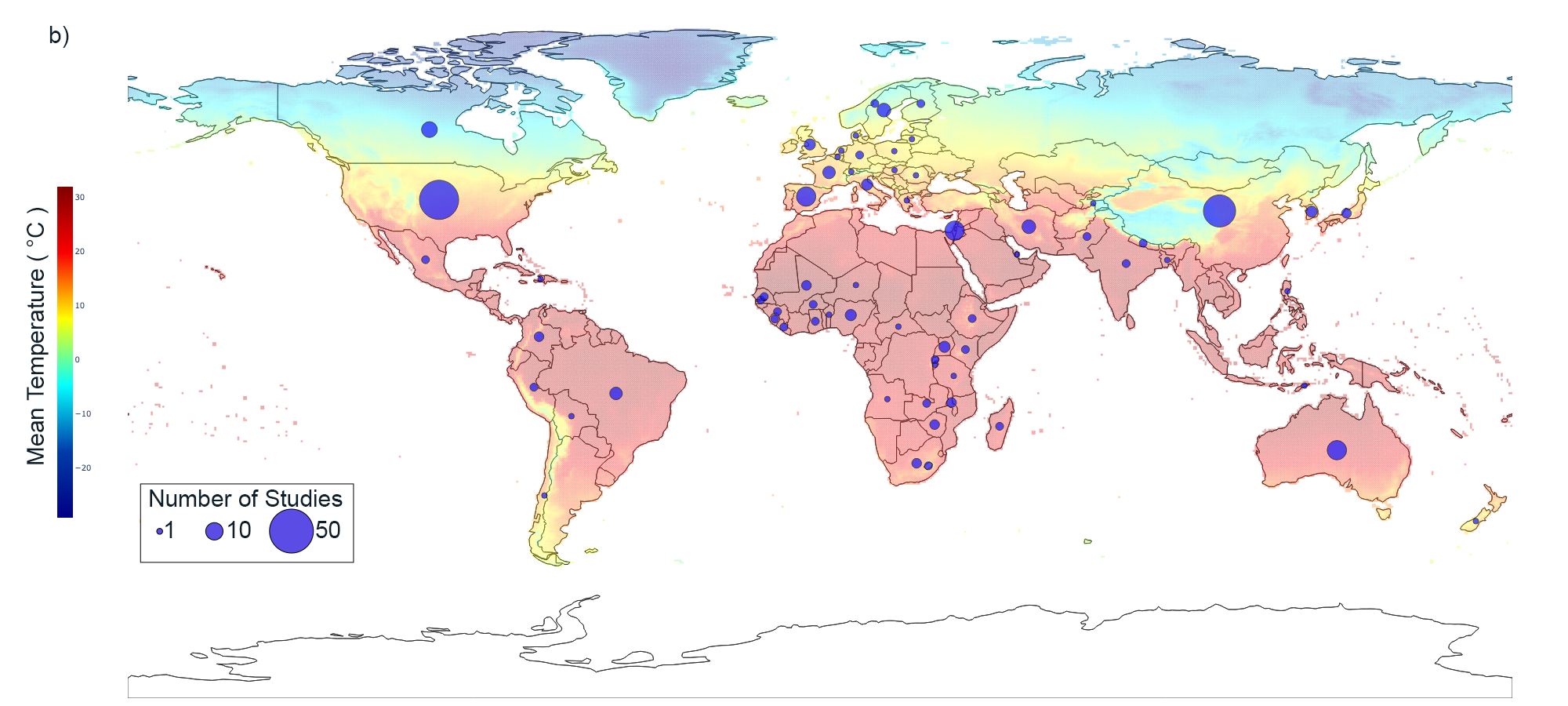
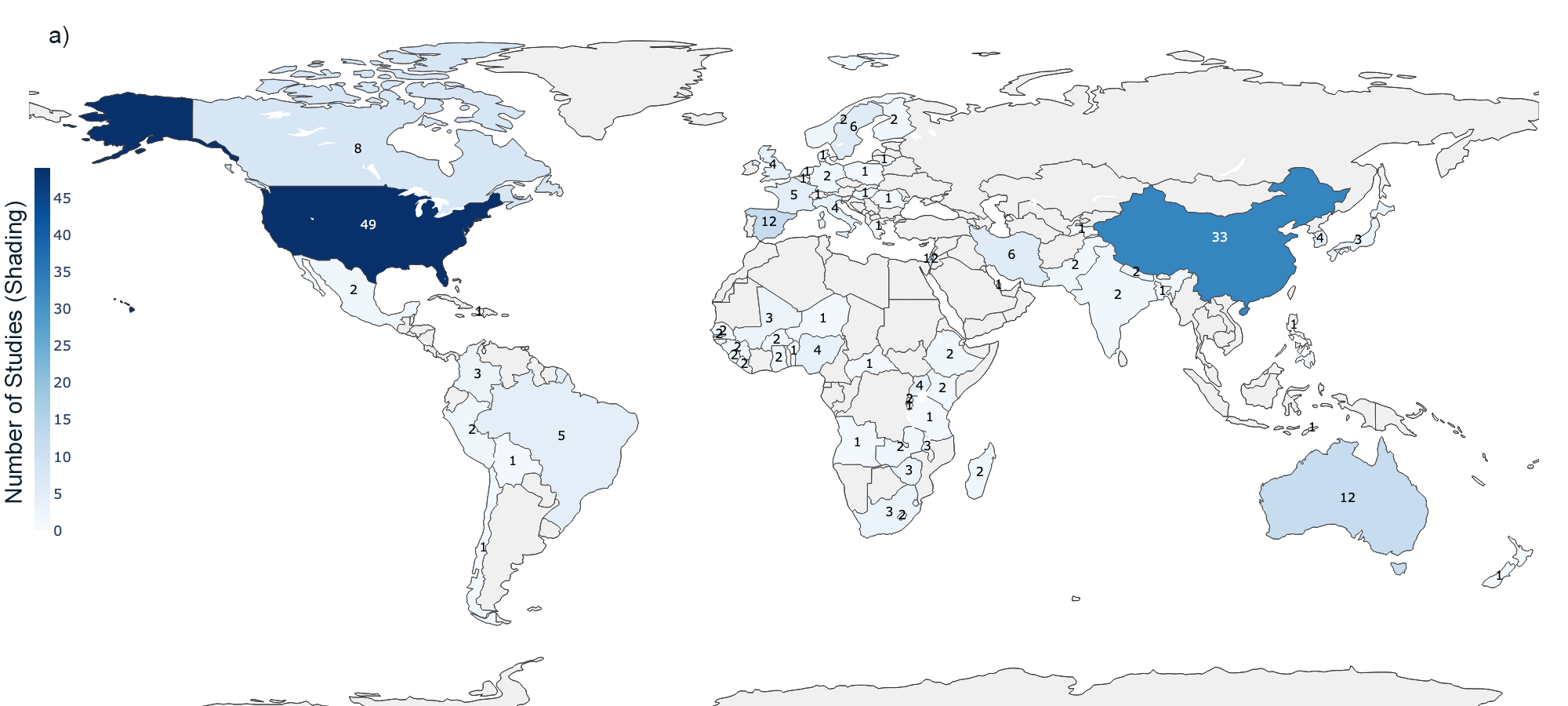
Until recently, the evidence linking heat exposure to maternal and neonatal outcomes has been scattered, leaving maternal health largely missing from climate policy conversations. A recent study published in Nature Medicine presents comprehensive evidence on these risks. Co-authored by researchers from the HE²AT Center, the review combines findings from 198 studies across 66 countries to examine the impact of heat exposure during pregnancy and its effect on maternal, fetal, and neonatal health.
A Global Review with Local Implications
The study brings together data on 23 maternal and neonatal health outcomes, ranging from preterm birth and stillbirth to gestational diabetes and congenital anomalies. By compiling a wide range of evidence, the research provides a clearer picture of the health challenges faced by pregnant women in a warming world.
The findings are striking. For every 1°C increase in temperature, the odds of preterm birth rise by 4%, while the risk of preterm birth increases by 26% during heatwaves. The review also found a 14% increase in stillbirth risk and a 48% rise in congenital anomalies linked to heat exposure. The review found that the risk of gestational diabetes increased with higher temperatures.
While this is robust evidence of heat-related health risks in pregnancy, the study highlights a key gap: the majority of existing research comes from high-income and temperate countries. Regions that face higher levels of heat exposure, particularly in Africa and other low-income regions, remain underrepresented.
Why This Study Matters
This review provides critical evidence for shaping both health policies and clinical practices in the face of rising global temperatures. Maternal and newborn health risks are still largely absent from national climate strategies, yet this study highlights why they must be prioritised.
The implications span multiple sectors:
- For clinicians: There is a growing need for anticipatory guidance and updated protocols during heatwaves, particularly for antenatal and intrapartum care.
- For policymakers: These findings can inform indicator selection, early-warning systems, climate-health risk mapping, and infrastructure planning for maternal health facilities.
- For funders and researchers: The study identifies significant gaps in tropical and low-income settings and highlights underexplored outcomes such as antenatal bleeding, mental health, infections, and emergency caesarean sections.
Lead author’s insight on impact
Darshnika Lakhoo, a medical doctor and research clinician at Wits Planetary Health Research, is the lead author of the Nature Medicine study. Her work focuses on understanding how heat exposure affects maternal, fetal and neonatal health, and how evidence can be used to strengthen health systems in climate-vulnerable settings.

“This study gives us the clearest evidence yet of how heat affects maternal and newborn health. With this data, we can start designing better, more resilient health systems – especially in places where the need is greatest.”
— Darshnika Lakhoo
HE²AT’s Role
This research forms part of HE²AT’s Research Project 1 on Heat & Health Surveillance, which focuses on understanding the health impacts of extreme heat on vulnerable populations. This work builds on earlier research by HE²AT Centre Co-Principal Investigator (PI), Matthew Chersich, and aims to inform both clinical practice and policy, particularly in climate-vulnerable regions.
The findings have already informed broader discussions on climate and health, being referenced during the Climate and Health Africa Conference (CHAC 2024) and contributing to the Harare Declaration on Climate and Health in Africa, a continental call to action for building climate-resilient health systems. The research has also been featured in international and local media, including Bhekisisa, Times Live, Irish Independent, Financial Times, The Economist and GroundUp, helping to bring maternal heat-health risks into mainstream conversations.
Looking Ahead: A Living Review in a Warming World
The study’s publication in Nature Medicine is just one of the milestones of this systematic review. The review is part of a “living” research process, updated every 18–24 months to ensure emerging evidence is incorporated and remains relevant for decision-makers.
This approach is supported by broader initiatives through HE²AT, which collectively strengthen Africa’s research capacity in heat and health.
Future priorities include developing clinical guidelines for managing heat exposure during pregnancy, strengthening heat-health surveillance in maternal and neonatal care, expanding research in tropical and low-income regions, and tracking long-term maternal and child outcomes beyond the perinatal period.
This work was made possible through support from the HE²AT Center, HIGH Horizons and the Bio-HEAT study, with funding from The National Institutes of Health, the DS-I Africa initiative, the European Commission, UK Research and Innovation, and the Wellcome Trust.
To explore the full findings, read the study in Nature Medicine: A systematic review and meta-analysis of heat exposure impacts on maternal, fetal and neonatal health.
Find out more about heat-health impacts in pregnancy, newborns and beyond here: